
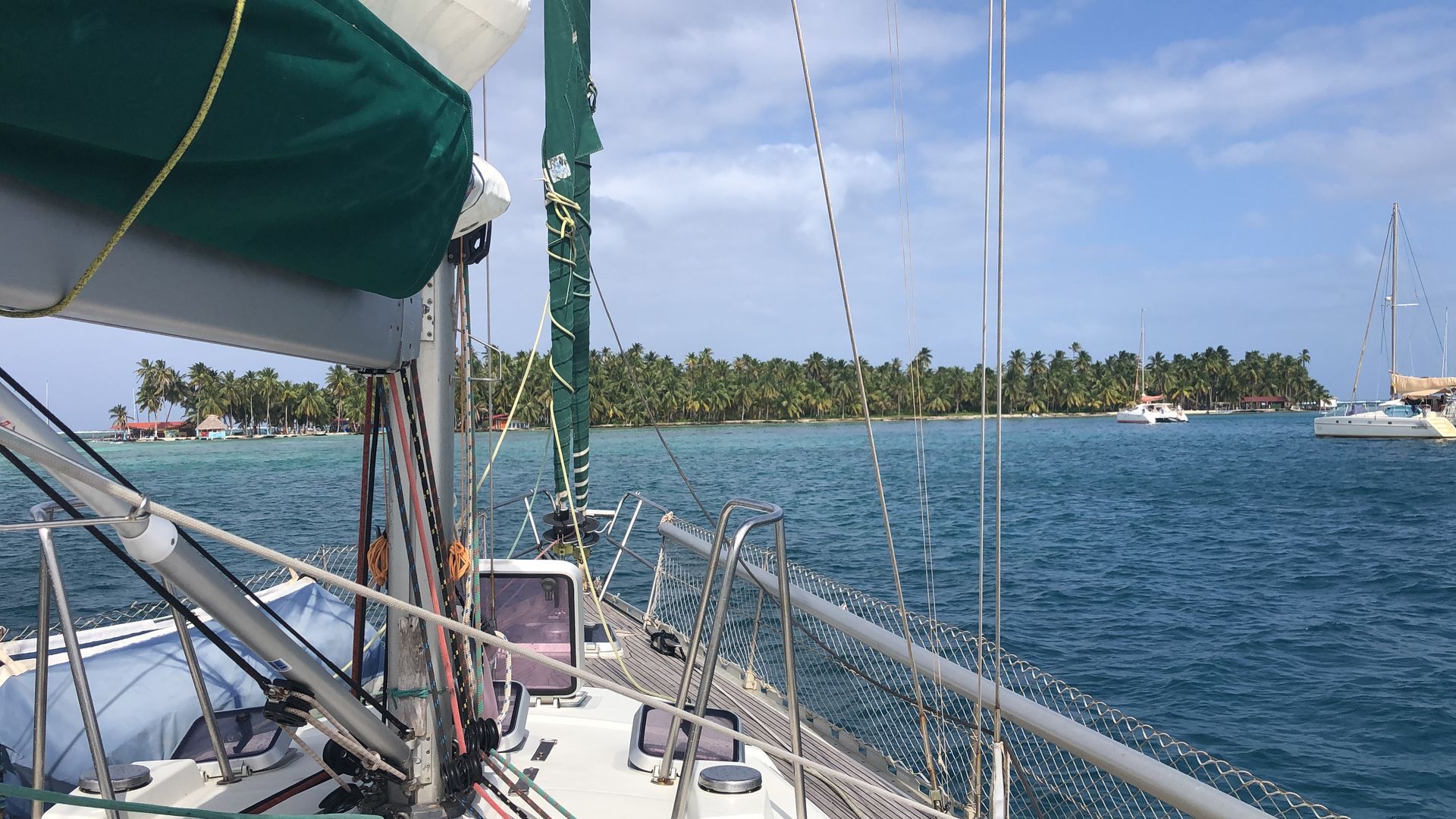
Guna Yala People: Culture, Traditions & Visitor Respect

Sea San Blas • June 28, 2026

Share this article

Guna Yala People: Culture, Traditions & Visitor Respect

The Guna Yala people are an indigenous community in Panama known for their strong cultural identity, self-governance, and vibrant traditions. Visitors to Guna Yala should respect local customs, ask permission before taking photos, dress modestly, and support Guna-owned experiences to ensure a positive and responsible visit.


Why Understanding Guna Yala Culture Matters for Travelers

Traveling to the San Blas Islands—known locally as Guna Yala—is more than a tropical escape. It’s an invitation to experience the living culture of the Guna people, one of Panama’s most resilient and self-governing indigenous groups. For travelers, understanding Guna Yala culture and respectful visiting isn’t just about etiquette; it’s about ensuring your trip supports local communities and preserves the unique traditions that make this region extraordinary.

The Guna have maintained their autonomy and customs through centuries of change. As a visitor, your actions can help protect their way of life—or unintentionally disrupt it. That’s why learning about Guna Yala traditions, community rules, and the right way to engage is essential before you set sail.


Introduction: Who Are the Guna Yala People?

Guna Yala is an autonomous indigenous region stretching along Panama’s Caribbean coast, encompassing the famed San Blas Islands. The Guna people (sometimes spelled Kuna) have lived here for generations, developing a distinct culture, language (Dulegaya), and system of self-governance led by the Guna General Congress.

What makes Guna Yala unique is not just its scenery, but its living heritage. The Guna have successfully defended their land and rights, preserving their customs, dress, and communal way of life. For travelers, this means every visit is a chance to learn from a culture that values harmony with nature, collective decision-making, and creative expression—especially through the iconic mola textile art.

Respectful visiting matters because the Guna’s autonomy depends on travelers honoring local rules, supporting Guna-owned businesses, and engaging with humility and curiosity.


A Snapshot of Guna Yala Culture and Traditions

Guna Yala culture is rooted in community, tradition, and a deep connection to the land and sea. Here’s what sets it apart:

Community Structure and Self-Governance

Guna Yala is governed by the Guna General Congress, a body of elected leaders who make decisions for the region. Each community (or island village) has its own local congress and leaders, ensuring that decisions reflect the collective will. This system has helped the Guna maintain control over their territory and cultural practices.

Language and Daily Life

The Guna speak Dulegaya, their indigenous language, though Spanish is also common. Daily life revolves around fishing, agriculture, and communal activities. Many families live in traditional thatched-roof homes, and elders play a respected role in passing down stories and customs.

Traditional Dress and the Art of Mola

One of the most recognizable aspects of Guna culture is the mola—a hand-sewn textile panel featuring intricate, colorful designs. Molas are worn by Guna women as part of their traditional dress, along with patterned skirts, beadwork, and headscarves. Each mola is unique, often reflecting stories, animals, or abstract patterns.

Festivals and Ceremonies

The Guna calendar is marked by communal festivals, rites of passage, and spiritual ceremonies. These events are private and deeply meaningful; visitors are rarely invited, and photography is often restricted. Respecting these boundaries is a key part of being a responsible guest.


Essential Etiquette: How to Be a Respectful Visitor

Visiting Guna Yala is a privilege, not a right. The region’s rules are designed to protect both the community and the environment. Here’s how to visit Guna Yala respectfully:

Photography Rules and Permission

Always ask before taking photos of people, homes, or ceremonial objects. Some Guna may decline, especially elders or during rituals. Respect their wishes—never take photos without clear consent.

Dress Code and Behavior

Modesty is expected, especially in villages. Swimwear is fine on boats or remote beaches, but when visiting communities, cover shoulders and thighs. Loud or disruptive behavior is discouraged; quiet curiosity is appreciated.

Buying Crafts and Supporting the Community

Purchasing molas and crafts directly from Guna artisans is the best way to support the local economy. Avoid aggressive bargaining—fair prices reflect the time and skill involved.

Environmental Respect and Sustainability

Guna Yala’s beauty depends on careful stewardship. Don’t leave trash, disturb wildlife, or remove shells/coral. Use reef-safe sunscreen and minimize single-use plastics. Many sailing charters, including those with Sail Sea San Blas, follow strict environmental guidelines.


Traveling in Guna Yala: What to Expect

Guna Yala is remote, and travel logistics are unique. Here’s what you need to know:

Transport, Accommodation, and Connectivity

Most travelers reach Guna Yala via 4x4 vehicle from Panama City, followed by a shared speedboat to their island or sailboat. Accommodations range from rustic island cabins to crewed sailing yachts. Connectivity is limited—expect minimal cell signal and Wi-Fi, especially on the water.

Private vs. Shared Trips

Most trips, including sailing charters, are shared unless you book a full vessel for your group (private charter). Private trips offer more flexibility and privacy, while shared trips are a great way to meet fellow travelers.

Choosing Guna-Owned Sailing Charters and Trips

Booking with Guna-owned operators ensures your visit directly benefits the community. At Sail Sea San Blas, all charters are Guna-owned and operated, with local crews who know the region intimately. This supports cultural preservation and provides authentic insights you won’t find elsewhere.

For a deep dive into trip formats and what to expect, see our San Blas Sailing Complete Guide To Guna Yala By Catamaran Or Sailboat.


Quick Facts & Cultural Dos and Don'ts

Guna Yala Visitor Fact Block

  • Region: Guna Yala is an autonomous indigenous territory in Panama, governed by the Guna General Congress.
  • Language: Dulegaya (Guna language) and Spanish are spoken.
  • Dress Code: Modest clothing is required in communities; swimwear is for boats/beaches only.
  • Photography: Always ask permission before photographing people or ceremonies.
  • Crafts: Buy molas and crafts directly from Guna artisans to support the local economy.
  • Entry Fees: Border fees apply at the Guna Yala checkpoint (verify current rates; as of 2026, $22 for foreign visitors).
  • Connectivity: Limited cell and internet coverage; plan to disconnect.
  • Trip Types: Most trips are shared unless you book a private charter.
  • Environmental Respect: Leave no trace; use reef-safe sunscreen and avoid single-use plastics.
  • Permissions: Some islands or areas may be off-limits or require special permission—always follow your guide or crew’s instructions.

For more etiquette and planning tips, check our 7-day San Blas sailing itinerary: Booking Guide for Couples.


Plan Your Visit: Sailing, Day Trips, and Overnight Experiences

Guna Yala offers a range of ways to experience its islands and culture. With Sail Sea San Blas, you can choose from:

  • Day Trips: Perfect for a taste of island life and snorkeling, with visits to select islands and a chance to meet Guna families.
  • Overnight Sailing: Sleep aboard a crewed catamaran or sailboat, explore multiple islands, and enjoy meals prepared with local ingredients.
  • Private Charters: Book the entire vessel for your group for the most personalized experience.
  • Shared Charters: Join other travelers for a sociable, cost-effective adventure.

Each format includes guidance on respectful visiting, environmental best practices, and opportunities to support Guna communities. For a breakdown of costs and what’s included, see our San Blas Sailing Costs 2026: Full Breakdown & Guide.

Ready to experience Guna Yala with respect? Book now to explore our sailing charters, day trips, and overnight adventures.

If you have questions about which trip is right for you, contact us for practical advice from our local team.


Conclusion: Why Responsible Travel Matters in Guna Yala

Visiting Guna Yala is a chance to experience one of Panama’s most vibrant living cultures. By learning about Guna Yala people culture and respectful visiting, you help protect local traditions, support community livelihoods, and ensure the islands remain a welcoming destination for years to come.

Choose Guna-owned experiences, follow local etiquette, and travel with an open mind. Your respect makes a real difference.

For more inspiration, compare Guna Yala with other Caribbean destinations in our San Blas Islands Vs Other Caribbean Sailing Destinations.


Frequently Asked Questions

What is the Guna Yala region? Guna Yala is an autonomous indigenous territory in northeast Panama, home to the Guna people and the San Blas Islands.

Can I take photos of Guna people or villages? Only with permission. Always ask before photographing people, homes, or ceremonies. Some may decline, and their wishes should be respected.

What should I wear when visiting Guna communities? Dress modestly: cover shoulders and thighs. Swimwear is only appropriate on boats or remote beaches.

How can I support the Guna community during my visit? Book Guna-owned trips, buy crafts directly from artisans, and follow local rules. This ensures your visit benefits the community.

Is there cell service or Wi-Fi in Guna Yala? Connectivity is limited. Expect minimal or no cell signal and Wi-Fi, especially on the water.

How do I book a private sailing charter? Visit our sailing charters page to see available boats like Coolcat Catamaran and Buenaventura Sailboat.

Where can I learn more about Guna culture and Panama? For authoritative background, see National Geographic and Visit Panama.


Book now to reserve your sailing adventure, or contact us for expert guidance on planning your respectful visit to Guna Yala.

Recent Posts

By Sea San Blas • August 2, 2026
To craft the perfect luxury urban-to-island itinerary from Panama City to San Blas, start by planning at least one night in Panama City to enjoy its vibrant cu…
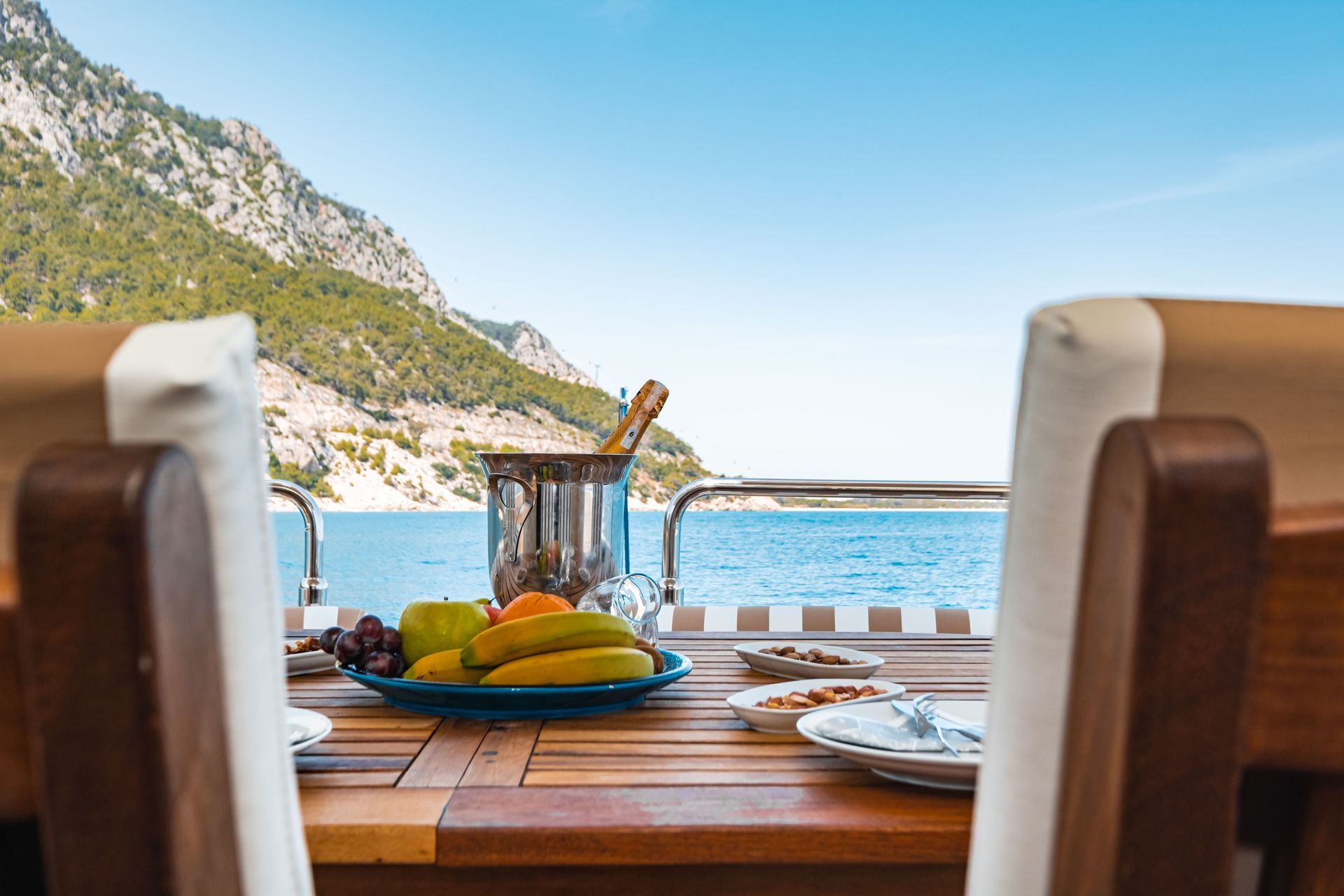
By Sea San Blas • July 26, 2026
On a San Blas sailing liveaboard, guests typically enjoy a mix of fresh seafood (like fish, lobster, or crab when available), local Guna-inspired dishes, and c…

By Sea San Blas • July 19, 2026
For a San Blas sailing trip, pack non-obvious essentials like a dry bag, reef-safe sunscreen, lightweight long-sleeve shirt, motion sickness remedies, power ba…

By Sea San Blas • July 12, 2026
A shared sailboat charter in San Blas is a practical, social way for solo travelers to explore the islands. You book a cabin and join other guests on a crewed…
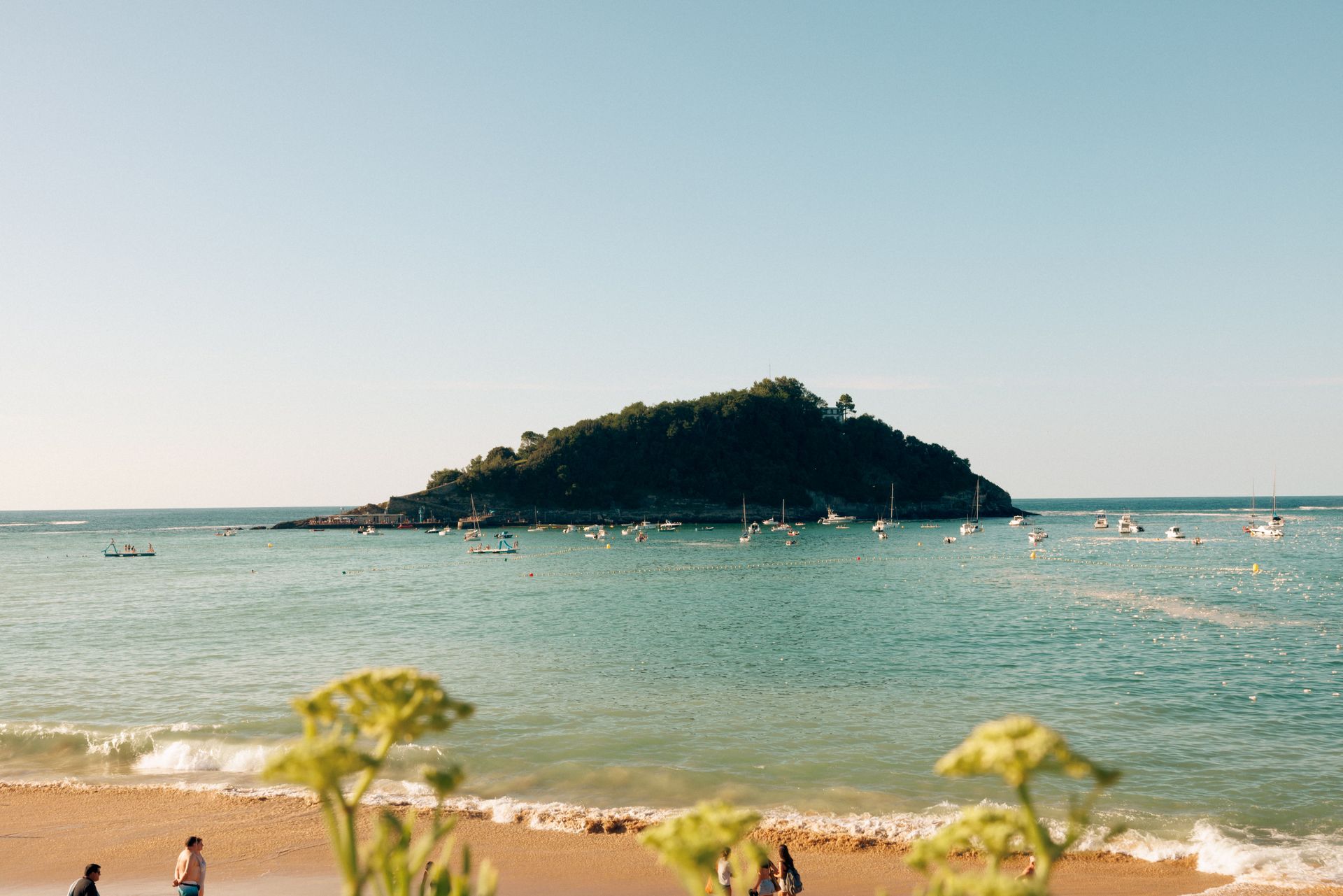
By Sea San Blas • July 5, 2026
The San Blas Islands (Guna Yala) are a photographer’s dream: over 350 untouched islands, vibrant Guna culture, and ever-changing Caribbean light. The best way…
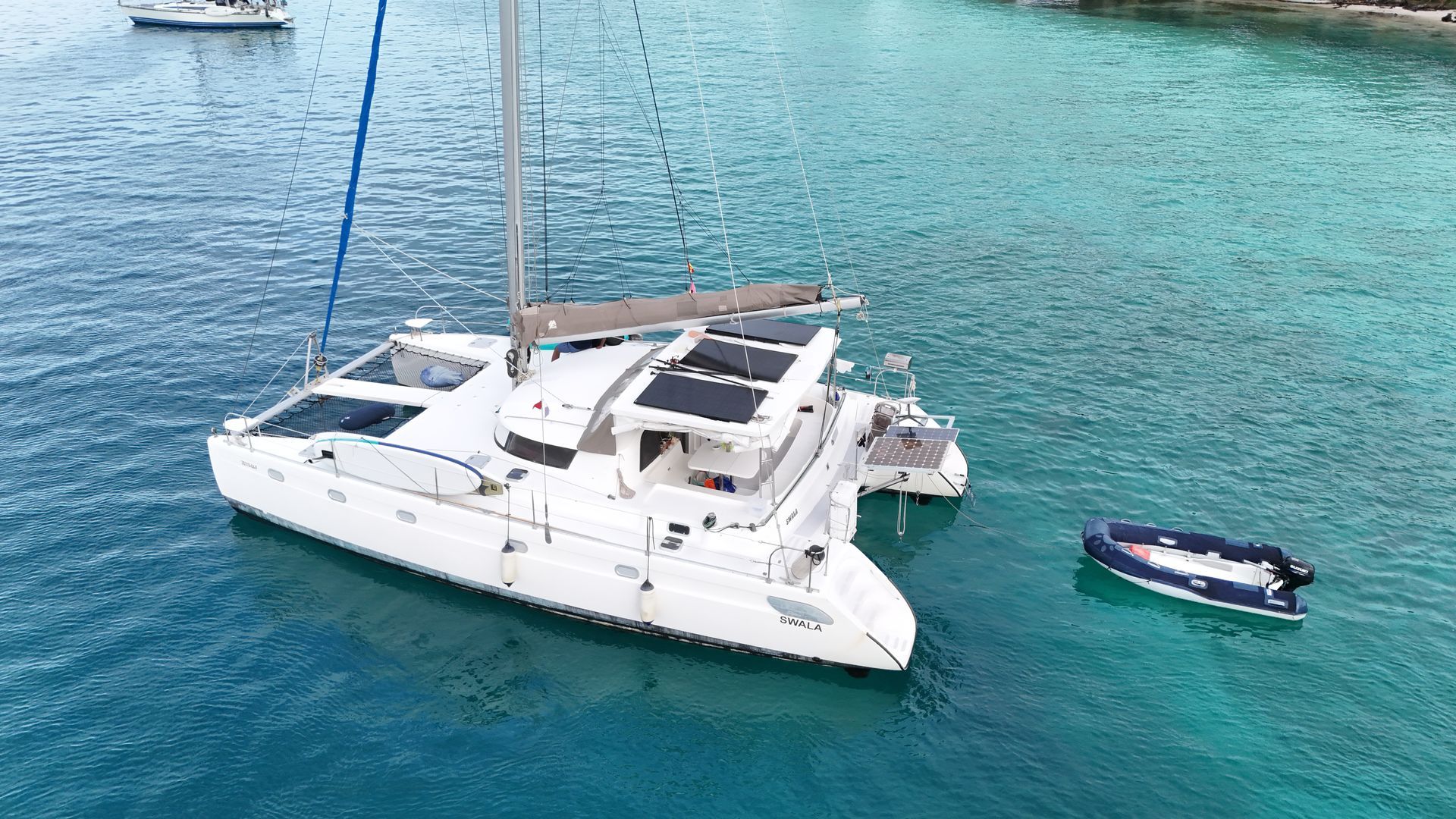
By Sea San Blas • June 21, 2026
A 7-day San Blas sailing itinerary is a week-long, crewed sailing experience through the San Blas Islands (Guna Yala), Panama. Designed for travelers seeking a…
By Sea San Blas • June 14, 2026
Sailing the San Blas Islands in 2026 typically costs $180–$400+ per person per day, depending on whether you join a shared charter or book a private boat. Expe…
By Sea San Blas • June 7, 2026
San Blas Islands (officially Guna Yala, the autonomous indigenous territory on Panama's Caribbean coast) consistently stands apart from other Caribbean sailing…
By Sea San Blas • December 12, 2025
Plan your San Blas sailing trip in Guna Yala. Learn routes, seasons, entry rules, and how to choose the right catamaran or sailboat for your adventure.