
San Blas Sailing: Complete Guide to Guna Yala by Catamaran and Sailboat
By hello • December 12, 2025
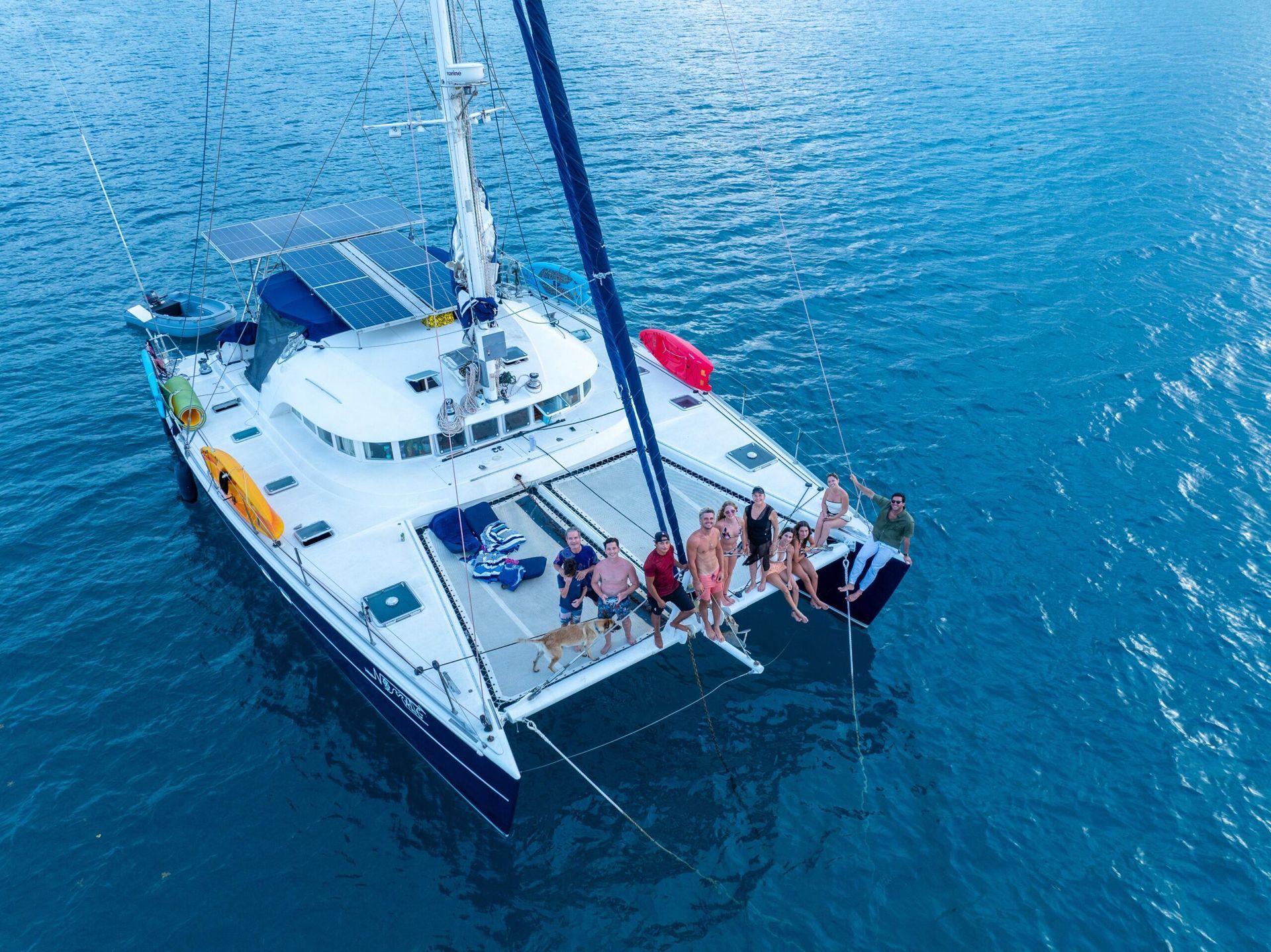
Meta Title: San Blas Sailing Guide: Catamaran & Sailboat in Guna Yala Meta Description:Plan your San Blas sailing trip in Guna Yala. Learn routes, seasons, entry rules, and how to choose the right catamaran or sailboat for your adventure. ------------
Quick answer – What is San Blas sailing?
San Blas sailing means exploring Panama’s Guna Yala islands by crewed sailboat or catamaran, moving between small reef‑sheltered anchorages instead of staying in one overwater hut. Trips usually start from Cartí, run 2–7 nights, include meals and snorkeling, and must follow Guna Yala entry rules and community etiquette.
What Is San Blas Sailing in Guna Yala?
San Blas sailing takes place in the indigenous comarca of Guna Yala on Panama’s Caribbean coast . It is not near Panama City on the Pacific side. You sail between small cays, reefs, and anchorages on a crewed catamaran or monohull , sleep on board, and use a dinghy for island landings and snorkeling.
You travel in a liveaboard sailing style. Days are built around short passages, reef time, and visits to Guna communities . Nights are spent at anchor in quiet lagoons, not underway. Boats in Guna Yala do not sail at night for guest trips, due to reefs and unlit hazards.
Where the San Blas Islands Are and Who the Guna Are
The San Blas Islands (also written Kuna Yala in older texts) stretch along the Caribbean side of Panama, east of Colón and north of the Darién region. The area is an indigenous territory officially called the Comarca Guna Yala .
Key points:
- Self‑governed by the Guna Congress and local Guna communities
- Access controlled by Guna authorities, with their own local permits and entry fees
- Currency is the US dollar
- Main languages: Guna and Spanish (some English with boat crews and a few Guna hosts)
You sail among small island groups like the Chichime Cays , Lemon (Limones) Cays , Holandes (Holandeses) Cays , Coco Bandero Cays , and around communities such as Narganá . For orientation, see a dedicated San Blas islands map and regions guide.
Why Explore Guna Yala by Sailboat or Catamaran
A yacht gives you mobility and access to quieter anchorages:
- Move between reef‑protected anchorages instead of staying on one island
- Reach both leeward (more sheltered) and windward (more exposed) sides of some reef systems
- Adjust plans with the northeast trade winds , swell , and visibility each day
- Sleep on board with natural airflow and access to multiple snorkeling spots
From a sailing perspective, Guna Yala offers:
- Short hops of 1–4 hours between island groups
- Mostly fringing reefs and some barrier‑reef‑like sections that create calm lagoons
- Good protection from the main Atlantic hurricane belt (the region lies south of the usual tracks, though systems can still influence weather)
You experience island‑hopping without packing and unpacking. The boat is your base, tender, and restaurant in one.
San Blas Sailing vs Staying in Overwater Huts
You’ll see many offers for overwater huts vs sailboat in San Blas . The experiences are different:
Overwater huts
- Fixed in one place, usually near a community
- Very simple facilities, limited electricity on islands
- Often shared bathrooms, basic beds, and set meal times
- Good if you want to be on land and very low‑key
San Blas sailing (liveaboard)
- You sleep in a cabin on a catamaran or monohull
- You move daily between islands and coral reefs
- Power from the boat (12V and limited 110/220V), more shade, and better ventilation
- Easier access to multiple snorkeling sites, Holandes Cays snorkeling , Coco Bandero anchorage , Chichime anchorage , and Lemon Cays sandbars
If you want variety, more comfort, and better access to reefs, San Blas sailing is usually the better fit. For a deeper comparison, see Overwater huts vs sailboat in San Blas .
How to Get to San Blas for a Sailing Trip
Most trips start from Panama City and head to Cartí on the Caribbean side.
From Panama City to Cartí by 4x4
- Distance: roughly 110–120 km
- Time: about 2.5–3 hours
- Route: the Cartí road crosses the continental divide with steep, winding sections
- Vehicles: only 4x4 are allowed past the Guna checkpoint due to road conditions
The main embarkation point is the Niga Kantule terminal near Cartí. Along the way, you pass a Guna Yala checkpoint where:
- Passports are checked
- Per‑person and per‑vehicle fees are collected in cash (USD)
- This is part of the official entry to Guna Yala
Fees change, but as a rough guide foreign visitors often pay around $20–25 per person , plus a small vehicle fee. At the pier, expect a small port fee per person as well.
For more detail, see a dedicated guide on how to get from Panama City to San Blas .
Boat Transfers from Cartí Pier to Your Yacht
From the Cartí pier , you transfer by motorboat (panga) to your yacht:
- Typical transfer time: 30–60 minutes depending on sea state and which anchorage your boat is using
- Some boats may be slightly farther, up to around 90 minutes in rougher conditions or if anchored more remotely
- You board and disembark via tender transfers from the pier to your yacht
From the Cartí area to central cays like Chichime or the Lemon Cays , typical sailing distances are:
- About 8–20 nautical miles
- Often 1–3 hours under sail in normal trade‑wind conditions
Boats time these moves in daylight only, to read reefs visually and with instruments.
Small Airstrips and Other Access Points in Guna Yala
There are small airstrips in Guna Yala, including:
- El Porvenir
- Corazón de Jesús airstrip
- Achutupu airstrip
- Playón Chico airstrip
These are used mainly for logistics, local travel, or some specialized charters. Most leisure San Blas sailing trips still start via 4x4 to Cartí because:
- Flight schedules are limited and can change
- Weather can disrupt operations
- Transfers from airstrips to yachts still require coordination by boat
Entry Fees, Passports, and Guna Yala Checkpoints
When entering the comarca:
- You must show a valid passport at the roadside checkpoint
- Entry fees are charged per person, plus a fee per vehicle
- At the Cartí pier , there may be additional port or environmental fees
- All are paid in cash (USD)
Important:
- There are no ATMs in Guna Yala
- Bring enough cash from Panama City for:
- Island and anchorage fees
- Tips
- Buying molas , coconuts , and seafood from Guna fishers
- Any extra services
These rules are set by Guna authorities and can change. Your operator should brief you on current amounts and procedures.
Best Time of Year for San Blas Sailing
For a deeper breakdown of seasons, see best time to visit San Blas Panama and our San Blas sailing safety and weather guide .
Dry Season Trade Winds (December–April)
From roughly December through April :
- Dominant northeast trade winds
- More consistent sailing breeze
- Generally drier, with fewer long rain events
- Seas can be choppier on exposed passages, especially when trades are strong
This is often considered the best time to sail San Blas for reliable wind and good visibility on the reefs. It is also high season , especially around Christmas, New Year, and Easter . For these dates, plan to book 4–6 months in advance for the best choice of boats.
Rainier Months and Swell Patterns (May–November)
From May through November :
- Lighter and more variable winds
- More rain , squalls , and thunderstorms
- Occasional swell from distant Caribbean systems, especially on the outer reefs
- Some very calm days that are great for snorkeling but may require motoring
The region lies south of the main Atlantic hurricane belt , but:
- Passing systems and cold fronts (Nortes) can still affect weather and sea state
- Crews must monitor forecasts and adjust anchorages accordingly
Shoulder months like November and May can offer a good balance of fewer crowds and decent conditions.
Wind, Swell, and Visibility: What Conditions to Expect
Typical conditions:
- Inside the reefs, anchorages are usually protected from the worst of the swell
- The leeward side of cays is calmer for swimming and snorkeling
- The windward side can have more wave action and stronger current
Visibility:
- Often good for reef snorkeling, especially in dry season
- Can drop after heavy rain or strong swell
Your captain will choose anchorages based on:
- Wind direction and strength
- Swell forecast
- Weather forecast for squalls and lightning risk
- Safety for non‑swimmers and children on board
Main Sailing Areas and Routes in the San Blas Islands
Central Cays: Chichime, Lemon Cays, and Nearby Reefs
The central cays near Cartí are the core of most itineraries:
- Chichime Cays
- Popular first‑night anchorage
- Good mix of sand, palms, and nearby coral reefs
- Lemon (Limones) Cays
- Clusters of small islands and sandbars
- Classic Lemon Cays sandbars photos
- Nearby fringing reefs
- Short dinghy rides to snorkel spots
- Anchor on sand with clear depth sounder readings
These areas work well for weekend San Blas sailing trips and 2–3 night escapes .
Holandes and Coco Bandero Cays: Classic Multi‑Day Routes
Farther northeast you find:
- Holandes (Holandeses) Cays
- Known for excellent Holandes Cays snorkeling
- Reef‑protected lagoons with clear sand patches for anchoring
- Coco Bandero Cays
- Small, low islands with good Coco Bandero anchorages
- More remote feel and quieter nights
Reaching these groups usually requires:
- 2–4 hour passages between island groups, depending on wind and sea conditions
- Careful navigation with charts (Navionics, paper charts) and a GPS plotter
These routes suit 5–7 night San Blas sailing itineraries and longer liveaboard sailing trips.
Distances, Sailing Times, and Typical 3–7 Night Itineraries
Approximate distances and times:
- Cartí area → Chichime / Lemon Cays
:
- 8–20 nautical miles
- 1–3 hours under normal trades
- Central cays → Holandes / Coco Bandero
:
- Often 2–4 hours depending on route and conditions
- Hops between nearby islands within a group:
- Usually 30–90 minutes
Standard trip duration 2–7 nights :
- 2–3 nights : focus on central cays near Cartí
- 5–7 nights : include Holandes Cays , Coco Bandero Cays , and sometimes community visits around Narganá
For detailed route ideas, see San Blas 3‑day sailing itinerary and San Blas 7‑day sailing itinerary .
Life On Board During a San Blas Sailing Trip
Cabins, Power, Water, and Comfort on Catamarans and Monohulls
Most visitors sail on crewed catamaran charters or monohull charters . True bareboat (usually not allowed) without a local captain is generally restricted due to regulations and safety concerns.
On board you can expect:
- Private or semi‑private cabins with fans and hatches
- Shared or en‑suite bathrooms depending on the boat
- 12V/220V power on board
- 12V for lights, pumps, fridges, and USB charging
- Inverters or generators for limited 110/220V use at outlets
- You should not expect to run high‑draw appliances constantly (hair dryers, large coffee machines, irons, etc.)
Water:
- Freshwater comes from water tanks and often a desalination (watermaker) system
- On board, freshwater is limited
- Crews usually ask guests to take short showers and avoid leaving taps running
Comfort:
- Catamarans offer more beam (boat) , so they feel more stable at anchor
- Monohulls can be more “classic sailing” and may heel more under sail
- Both use a dinghy with an outboard engine for shore trips
Meals, Provisioning, and Buying from Guna Fishers
Provisioning usually happens in Panama City before departure:
- Fresh fruit and vegetables
- Staples for all‑inclusive sailing meals
- Options for vegan/vegetarian , gluten‑free , and other dietary restrictions if you inform the operator in advance
On board, typical menus might include:
- Breakfast: eggs, fresh fruit, yogurt, granola, local bread, Panamanian coffee
- Lunch: ceviche, salads, rice dishes, tacos, or pasta with vegetables and fish
- Dinner: grilled fish, chicken or vegetarian curries, coconut rice, plantains, and salads
- Snacks: tropical fruit, nuts, dips, and simple desserts
Many trips include three meals a day plus snacks and non‑alcoholic drinks. Alcohol policies vary; some trips include basic drinks, others are BYO.
Local sourcing:
- Fresh produce supply boats sometimes visit anchorages
- You can often buy lobster (in season) , fish, and crab from Guna fishers
- This supports the local economy and gives you very fresh seafood
Lobster has a closed season in Panama, often around March–June . Exact dates can change by year and regulation, so your crew will confirm what is allowed during your trip.
Daily Rhythm: Sailing, Snorkeling, and Island Visits
A typical day:
- Morning
- Breakfast on deck
- Short sail or motor to a new anchorage (1–2 hours)
- Safety briefing for snorkeling or shore visits
- Midday
- Snorkeling or freediving on nearby reefs
- Beach time on a cay
- Lunch on board or picnic style
- Afternoon
- Another short hop or stay put
- Visit a Guna community or family‑owned island
- Time to buy molas , coconuts, or crafts
- Evening
- Dinner on board
- Quiet anchorage, limited nightlife
- Excellent star visibility at night in clear conditions
Many guests enjoy the digital detox experience . With limited phone signal and limited internet , you disconnect and follow the natural rhythm of wind and light.
Guna Yala Rules, Fees, and Cultural Etiquette
Territorial and Environmental Rules in the Comarca
Guna Yala is a self‑governed indigenous territory . All visitors must respect:
- Local rules , fees , and decisions by community leaders or island owners
- Marine conservation measures and no‑fishing zones (local rules) where they exist
- Restrictions on spearfishing and line fishing in certain areas
Key environmental rules:
- Anchoring on coral is prohibited
- Responsible operators anchor on sand patches with enough scope and swing room to avoid damaging reefs
- Black water discharge rules : reputable boats avoid discharging near reefs, beaches, or swimming areas
All visitors must understand that Guna Yala is self‑governed. Local rules may differ from what you know elsewhere, and they take priority.
Community Visits, Dress Code, and Photography Etiquette
When visiting Guna communities :
- Dress modestly
- Cover swimwear
- Avoid very revealing clothing
- Learn a few local language greetings in Guna or use simple Spanish
Photography:
- No photographing people without consent
- Some individuals may request a small payment for posed photos
- Always ask first and accept a “no” gracefully
Drones:
- No drones without permission
- Drones are restricted and should not be flown over communities or islands without explicit permission from local authorities or island owners
Alcohol:
- Respect alcohol rules on islands
- Some communities do not want alcohol consumption on their land
- Your captain will advise what is appropriate at each stop
Paying Island and Anchorage Fees and Supporting Local Families
Many islands and anchorages are owned or managed by specific Guna families or communities:
- They charge small per‑person fees to visit islands, beaches, or anchoring areas
- These payments support local families and community funds
- Fees are paid in cash (USD) , usually directly to the person responsible for the island
This is a key part of responsible tourism in Guna Yala and helps maintain access for sailors. For more context, see a dedicated guide on Guna Yala culture and community etiquette .
Safety, Weather, and Environmental Considerations
For a deeper dive into risk management, see our San Blas sailing safety and weather guide .
Anchoring, Reefs, and Snorkeling Safety
Your crew is responsible for safe navigation and anchoring, using:
- Depth sounder
- Charts (Navionics, paper charts)
- GPS plotter and visual reef reading
- VHF radio for communication with other boats and local authorities
Snorkeling safety:
- Use lifejackets or snorkel vests for weaker swimmers and non‑swimmers
- Never stand on coral or touch marine life
- Use reef‑safe sunscreen to reduce chemical impact on reefs
- Stay within sight of the dinghy and follow the captain’s boundaries
Sun and heat:
- Drink water regularly to avoid dehydration
- Use hats, long sleeves, and shade during midday sun
Weather, Squalls, and Seasickness Management
Weather risks include:
- Squalls with strong wind and heavy rain
- Thunderstorms and lightning risk
- Short, steep seas in strong trades or near reef passes
Your crew will:
- Check Caribbean weather patterns and local forecasts
- Adjust routes to avoid exposed passages when conditions are rough
- Choose protected anchorages for the night
For seasickness :
- Bring your preferred medication or patches
- Stay on deck, look at the horizon, and avoid heavy meals before passages
- Catamarans can feel more stable at anchor, which helps some guests
Waste, Toilets, and Protecting the Reef
Waste management is critical in Guna Yala:
- Reputable operators minimize plastic and sort trash for proper disposal back on the mainland
- Black water is not discharged near reefs, beaches, or swimming areas
- Guests are asked not to throw anything overboard, including cigarette butts or food scraps near shore
Toilets:
- Marine toilets have specific rules (no paper down the bowl on many boats)
- Your crew will explain how to use them to avoid blockages and leaks
By following these practices, you help protect the reefs and respect Guna territory.
Choosing the Right San Blas Sailing Charter
Catamaran vs Monohull for Guna Yala Waters
Catamaran charters
- Wider beam (boat) for more deck space and stability
- Shallower draft (boat) , which can help access some sandier anchorages
- Often more cabins and larger social areas
- Popular for family sailing holidays and small‑group charters
Monohull charters
- Classic sailing feel and good performance under sail
- Usually narrower, with less deck space but cozy interiors
- Can be a good fit for couples or smaller groups who enjoy traditional sailing
Both types work well in Guna Yala. The choice depends on your comfort preferences and group size. For more detail, see San Blas catamaran charter options .
Private Charter vs Cabin Charter
Private charter
- You book the whole boat for your group
- Full control over dates and a say in the route (within safety and weather limits)
- Ideal for families, groups of friends, or honeymoon sailing where privacy matters
Cabin charter / shared charter
- You book one or more cabins and share the boat with other guests
- Fixed departure dates and set itineraries
- More budget‑friendly for couples or solo travelers
A separate guide on private vs shared San Blas sailing charters can help you compare in more detail.
Trip Lengths, Budgets, and What’s Typically Included
Typical lengths:
- 2–3 nights : central cays near Cartí (Chichime, Lemon Cays, nearby reefs)
- 5–7 nights : central cays plus Holandes Cays , Coco Bandero Cays , and community visits
Most all‑inclusive sailing packages include:
- Accommodation on board
- All or most meals
- Non‑alcoholic drinks
- Use of snorkeling gear and dinghy
- Crew: captain , often a chef , sometimes a deckhand
- Fuel, water, and standard cleaning
Not usually included:
- 4x4 transfer from Panama City
- Guna Yala entry fees , island fees, and environmental fees
- Alcohol (varies by operator)
- Tips for crew
- Travel insurance and boat insurance (the latter is handled by the operator, but you should confirm coverage)
Cost Ranges: What You Can Expect to Pay
Prices vary by boat size, season, and service level. As a rough orientation only:
- Shared / cabin charters : often from around $250–400 USD per person per night on a quality, crewed boat
- Private charters : total boat rates can range from the low four figures for a short trip on a simple boat to higher four or five figures for a week on a premium catamaran
These are broad ranges, not fixed prices. Always request a clear charter contract with inclusions, exclusions, and payment terms.
Questions to Ask Your San Blas Sailing Operator
Before booking, ask:
- Is this a private charter or cabin charter ?
- Which areas do you normally visit on this trip length?
- How do you handle dietary restrictions (vegan, vegetarian, gluten‑free)?
- What safety equipment is on board (lifejackets, first‑aid kit , VHF, etc.)?
- How do you manage waste and black water discharge ?
- What are the boarding time and disembarkation time ?
- What is your policy on spearfishing and fishing, and how do you follow local Guna rules?
- How do you support the local economy and Guna families?
These questions help you identify responsible, safety‑focused operators.
Sample San Blas Sailing Itineraries
2–3 Night San Blas Escape from Panama City
Ideal for a long weekend:
Day 1
- Early 4x4 transfer from Panama City to Cartí (2.5–3 hours)
- Boat transfer Cartí–islands 30–60 minutes
- Board your yacht at the Niga Kantule area, safety briefing, sail to Chichime anchorage
- Afternoon snorkeling and beach time
Day 2
- Short sail to the Lemon Cays
- Explore Lemon Cays sandbars and nearby reefs
- Optional visit to a nearby Guna family island (small island fee)
Day 3
- Morning swim and snorkel
- Return sail toward Cartí area
- Motorboat back to Cartí pier, 4x4 to Panama City
This route focuses on central cays and minimizes long passages.
5–7 Night Classic Island‑Hopping Route
A one‑week San Blas itinerary lets you reach more remote groups:
Day 1–2: Central Cays
- Start from Cartí, sail to Chichime and Lemon Cays
- Snorkeling on fringing reefs, beach time, and optional community visit
Day 3–4: Coco Bandero Cays
- Longer sail (2–4 hours) to Coco Bandero Cays
- Quiet anchorages, snorkeling in lagoon‑like conditions
- Buy lobster (in season) or fish from local Guna fishers
Day 5–6: Holandes Cays
- Move to Holandes Cays for some of the best snorkeling
- Explore multiple anchorages within the group
- Freediving for experienced guests, always within safety limits
Day 7: Return
- Gradual return toward central cays and Cartí area
- Final swim before heading back to the pier and Panama City
All legs are sailed in daylight. Nights are spent at anchor.
Family‑Friendly and Honeymoon‑Style Variations
Family‑friendly San Blas sailing trips
- Shorter daily passages (1–2 hours)
- More time in calm, shallow anchorages
- Extra focus on lifejackets, snorkel vests , and beach play
- Earlier dinners and flexible schedules for kids
Honeymoon and couples sailing in San Blas
- More private anchorages when possible
- Sunset dinghy rides and beach walks
- Simple but special touches like fresh seafood dinners and stargazing
- Optional photo moments, always respecting photography etiquette with Guna people
For more ideas, see Family‑friendly San Blas sailing trips and Honeymoon and couples sailing in San Blas .
Practical Tips Before You Book San Blas Sailing
What to Pack (and What to Leave in Panama City)
Pack light and soft:
- Light clothing, long‑sleeve shirt for sun
- Modest outfit for community visits
- Swimwear, hat, polarized sunglasses
- Reef‑safe sunscreen and after‑sun
- Personal medications, including seasickness remedies
- Insect repellent for mosquito exposure near mainland and no‑see‑ums at dusk
- Quick‑dry towel, basic toiletries
- Waterproof bag for transfers
- Copies of travel documents and your travel insurance details
Leave in Panama City:
- Hard suitcases (use soft duffel bags instead)
- Excess electronics and heavy appliances (power is limited)
- Valuables you do not need on board
For a full checklist, see what to pack for San Blas sailing .
Money, Connectivity, and Travel Insurance
Money:
- Bring enough cash (USD)
for:
- Entry and island fees
- Tips
- Crafts, molas , and coconuts
- Extra drinks or snacks
- Remember: no ATMs in Guna Yala
Connectivity:
- Limited phone signal and limited internet in many anchorages
- Coverage is usually best with Tigo or Más Móvil SIM cards near mainland‑facing areas, but you should still expect long periods with no signal
- Do not rely on being online for work calls or streaming
Insurance:
- Travel insurance that covers medical evacuation and trip interruption is strongly recommended due to the remote nature of Guna Yala
- Confirm that your policy covers small‑boat activities and snorkeling
- The boat’s insurance is handled by the operator, but you can ask for confirmation of coverage and safety standards
Health:
- For most travelers coming directly from North America or Europe, yellow fever vaccination is not usually required for Guna Yala
- If you are arriving from a yellow fever risk country, check current Panamanian entry rules and speak with your doctor or a travel clinic
Who San Blas Sailing Is (and Isn’t) Right For
San Blas sailing is ideal if you:
- Enjoy nature, quiet anchorages, and simple routines
- Are comfortable with limited connectivity and basic comforts
- Want to interact respectfully with an indigenous culture
- Are okay with small boats, dinghy transfers, and some motion
It may not be right if you:
- Need strong, constant internet or nightlife
- Expect resort‑style facilities and air‑conditioned suites everywhere
- Are very uncomfortable on boats or in remote settings
If you’re unsure, speak with your operator about your expectations and any mobility or health concerns.
Sail Sea San Blas: Our Approach to Sailing in Guna Yala
Our Routes, Boats, and Crew Philosophy
At Sail Sea San Blas , the sailing division of Sea San Blas , we focus on:
- Safe, well‑planned routes through central cays, Holandes Cays , and Coco Bandero Cays
- Crewed catamarans and monohulls suited to Guna Yala’s reefs and anchorages
- Experienced captains , chefs , and deckhands who know local conditions and Guna rules
We plan each trip around:
- Season and Caribbean weather patterns
- Group type (families, couples, small groups)
- Safety, comfort, and reef protection
Our crews live and work in Guna Yala for extended seasons, so they know local winds, no‑fishing zones , and community expectations.
Respecting Guna Culture and Local Partnerships
We operate fully within Guna Yala rules and:
- Respect decisions by the Guna Congress , community leaders, and island owners
- Pay all required entry fees , island fees, and environmental contributions
- Support the local economy by buying from Guna families and working with local partners
- Follow strict policies on waste management , black water discharge , and anchoring on sand
Our goal is to offer premium, relaxed sailing while honoring Guna autonomy and responsible tourism .
How to Plan Your Trip with Sail Sea San Blas
When you contact us, we:
- Help you choose between private and shared charters
- Recommend a 2–3 night , 5–7 night , or custom itinerary based on your time and interests
- Discuss dietary needs , comfort preferences, and group profile (families, honeymoon, friends)
- Brief you on check‑in/check‑out procedures , transfers, and what to pack
To learn more about our story and standards, see About Sail Sea San Blas .
FAQ: San Blas Sailing in Guna Yala
Is San Blas sailing safe?
With a professional crew, proper equipment, and respect for weather and reefs, San Blas sailing is generally safe. Captains monitor forecasts, choose protected anchorages, and provide safety briefings. You should follow crew instructions, use lifejackets when advised, and have appropriate travel insurance.
Can I do a bareboat charter in San Blas?
True bareboat charters without a local captain are generally not available or allowed in Guna Yala due to local regulations, reef complexity, and safety concerns. Most visitors sail on crewed catamarans or monohulls with experienced skippers who know the area and Guna rules.
How many days do I need for San Blas sailing?
Most trips are 2–7 nights . A 2–3 night trip covers central cays near Cartí like Chichime and Lemon Cays . A 5–7 night trip lets you reach more remote groups such as the Holandes Cays and Coco Bandero Cays , with more time for snorkeling and community visits.
What is included in a San Blas sailing charter?
Typically, charters include accommodation on board, most meals, non‑alcoholic drinks, crew, fuel, and use of snorkeling gear and dinghy. Not usually included are 4x4 transfers, Guna Yala entry and island fees, alcohol (varies), tips, and travel insurance. Always confirm the exact inclusions with your operator.
How much does San Blas sailing cost per person per night?
Prices vary by season, boat, and whether you book a private or shared charter. As a broad guide, shared cabin charters often start around $250–400 USD per person per night on a quality, crewed boat. Private charters are priced per boat and depend on size and level of service. Ask for a detailed quote and contract.
Do I need cash in San Blas?
Yes. All entry fees , island fees, and most purchases from Guna families are paid in cash (USD) . There are no ATMs in Guna Yala , so bring enough cash from Panama City for fees, tips, crafts, coconuts, and any extras you may want.
When is the best time to sail San Blas?
The main dry season from December to April offers more consistent northeast trade winds and generally drier weather, making it the preferred time for many sailors. The shoulder months (around November and May) can also be good. From June to October expect more rain, squalls, and occasional swell, but also some very calm days.
How far in advance should I book my San Blas sailing trip?
For Christmas, New Year, and Easter , plan to book 4–6 months in advance , especially for private catamarans. For other dry‑season dates, 2–3 months is often enough. In lower season, last‑minute space can exist, but choice of boats will be more limited.
Are there hurricanes in San Blas?
Guna Yala lies south of the main Atlantic hurricane belt , so direct hits are rare. However, passing systems and cold fronts (Nortes) can still bring strong wind, swell, and rain. Crews monitor forecasts closely and adjust routes and anchorages to keep guests safe.
Can I fish or spearfish in San Blas?
Fishing and spearfishing are controlled by local Guna rules. Some areas allow limited fishing; others are no‑fishing zones or have seasonal restrictions (for example, for lobster ). Always follow your captain’s guidance and respect local regulations and conservation efforts.
When can I eat lobster in San Blas?
Lobster is only served when it is legal and locally available. Panama usually has a closed season around March–June , but exact dates can change. Your crew will know the current regulations and will only buy lobster from Guna fishers when it is in season.
Which mobile carrier works best in San Blas?
Coverage is patchy across Guna Yala. Tigo and Más Móvil generally offer the best chance of signal near mainland‑facing areas and some central cays. Even with these carriers, expect long periods with no service, especially in more remote anchorages.
Do I need a yellow fever vaccination to visit San Blas?
If you are arriving in Panama from most of North America or Europe, a yellow fever vaccination is usually not required to visit Guna Yala. If you are coming from, or transiting through, a yellow fever risk country, check current Panamanian regulations and consult a travel clinic before your trip.
What should I wear when visiting Guna communities?
Dress modestly: cover swimwear with a T‑shirt or light dress, and avoid very revealing clothing. This shows respect for local norms. Ask before taking photos of people, and be prepared to offer a small payment if someone agrees to pose.
Is San Blas sailing suitable for children and non‑swimmers?
Yes, with the right boat and crew. Many trips are family‑friendly , with lifejackets, snorkel vests, and careful anchorage choices. Non‑swimmers can still enjoy the boat, beaches, and shallow water with flotation. Inform your operator in advance so they can plan routes and safety measures accordingly.
Insights to fuel your marketing business
Sign up to get industry insights, trends, and more in your inbox.
Contact Us
We will get back to you as soon as possible.
Please try again later.
SHARE THIS